I. Introduction
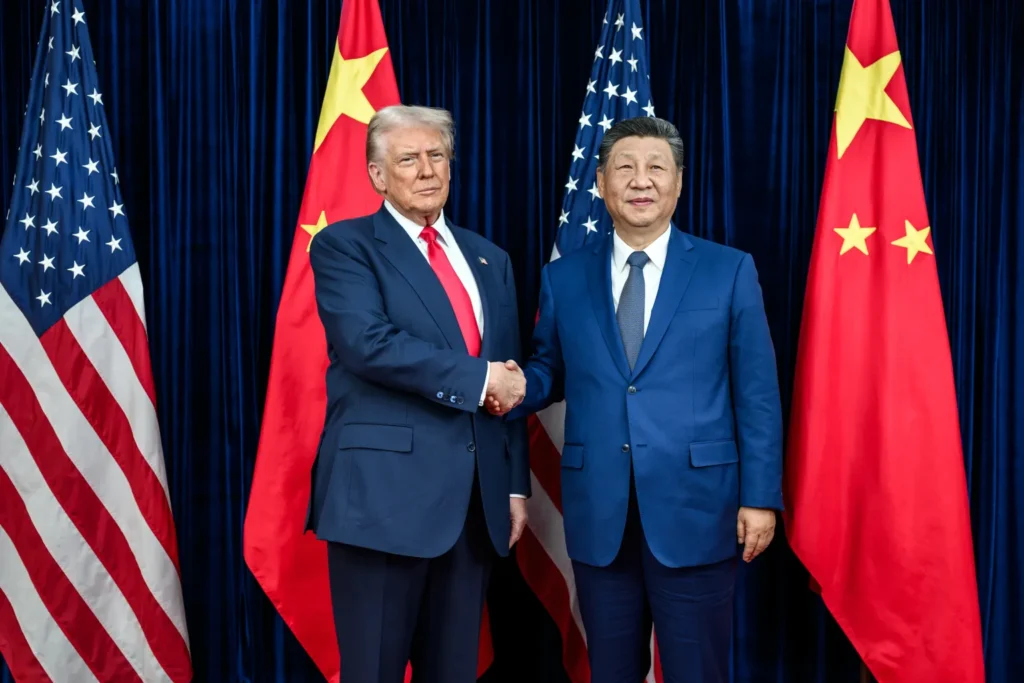
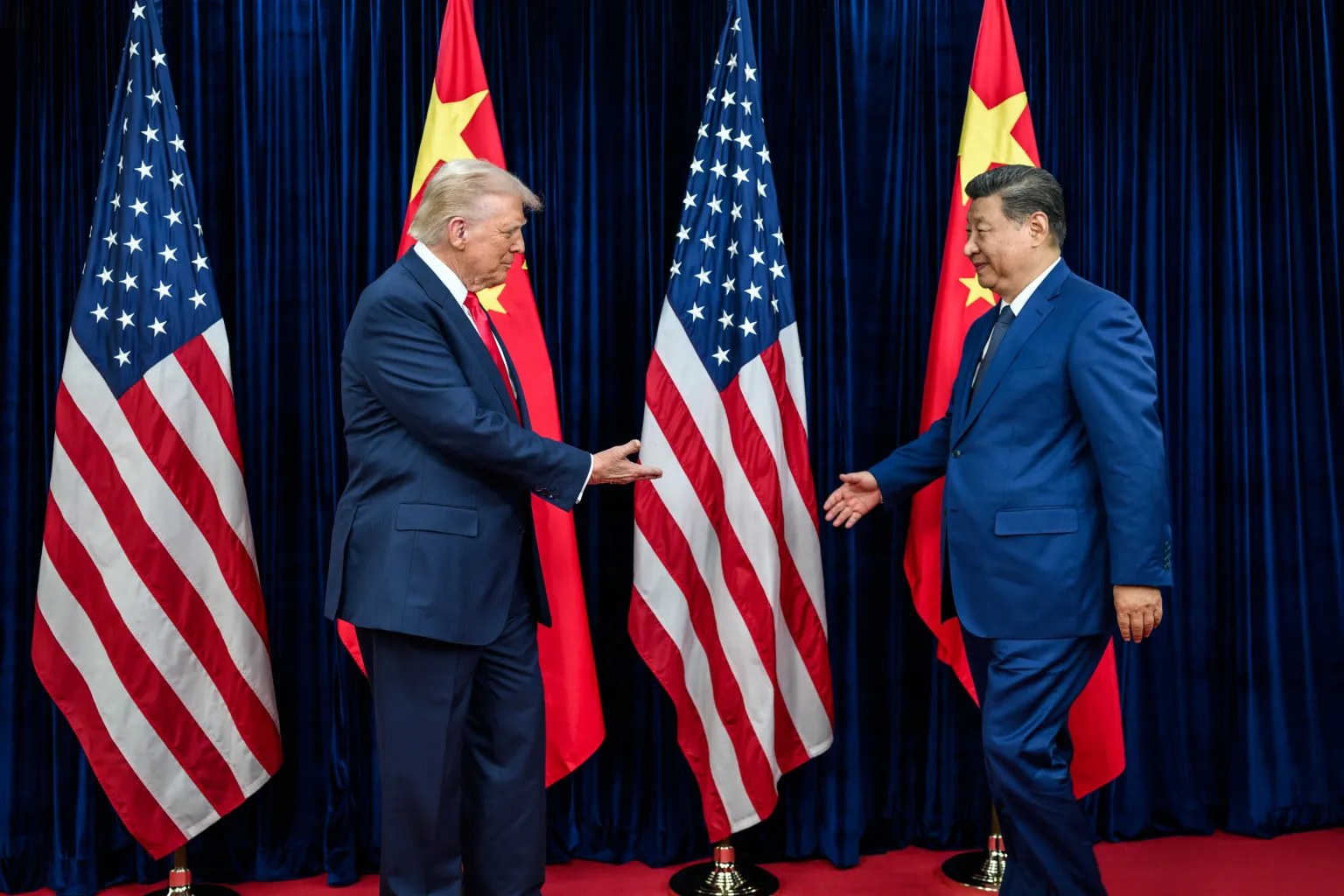
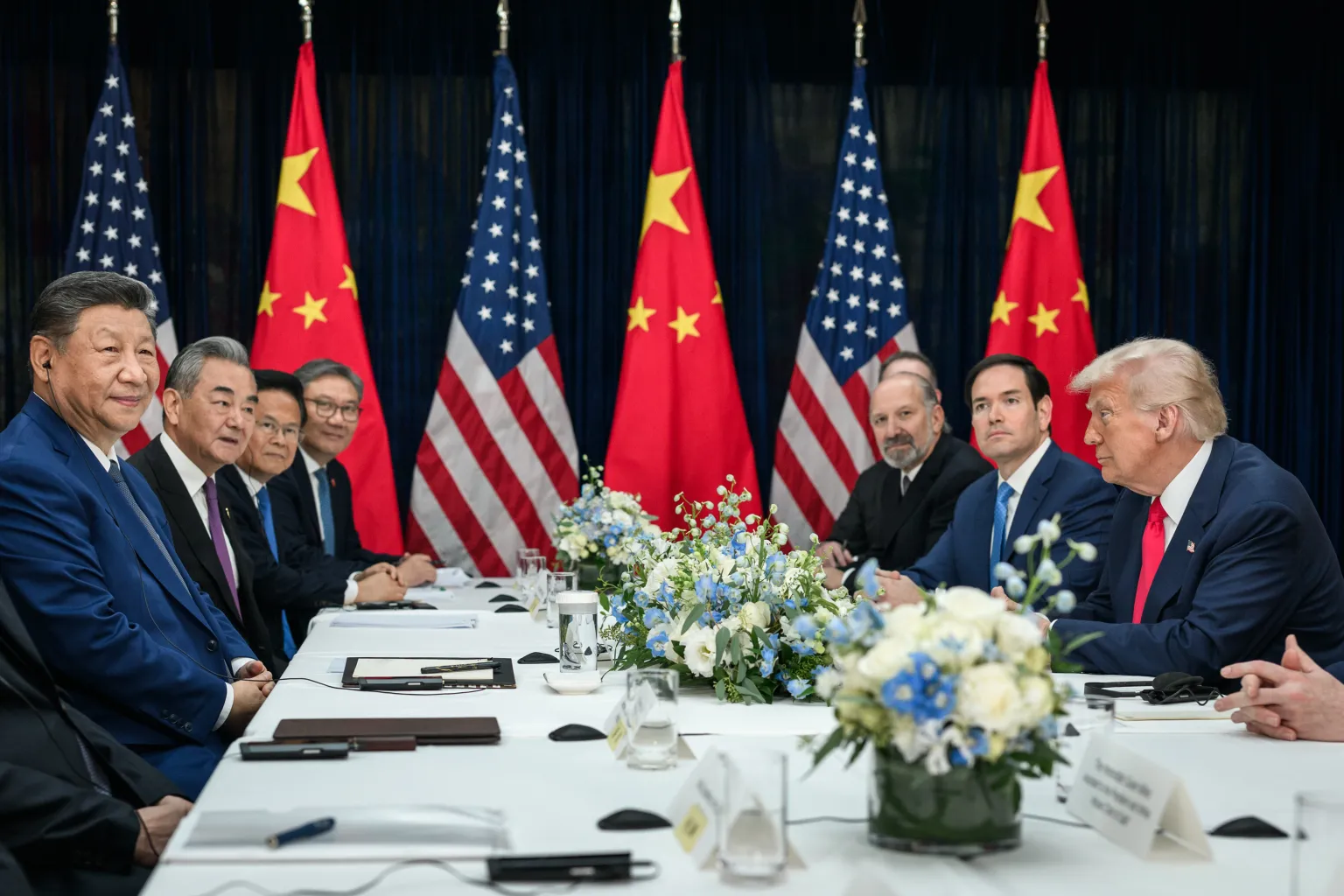
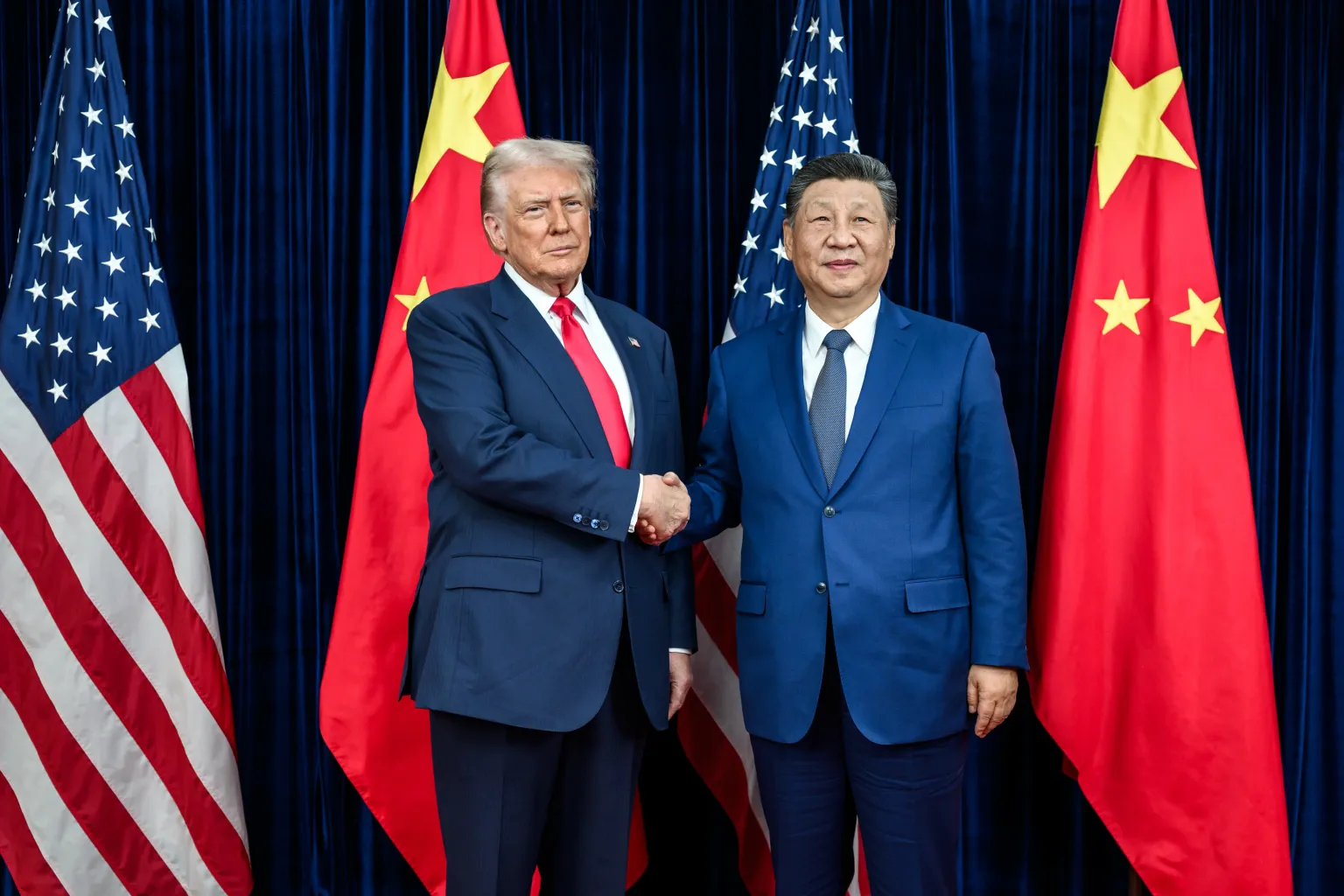
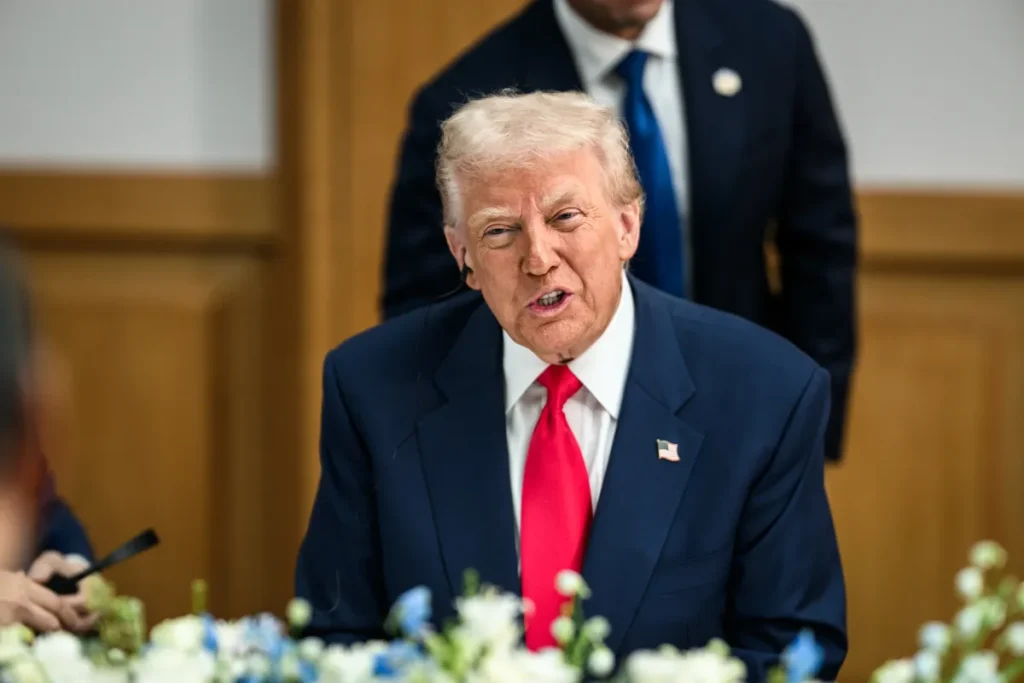
The meeting between US President Donald Trump and Chinese President Xi Jinping in South Korea—ostensibly arranged to address immediate flashpoints such as the Korean Peninsula’s nuclear program or the escalating US-China trade war—was far more than a bilateral event; it was a critical inflection point in the twenty-first century’s evolving geopolitical landscape. Occurring at a time of peak tension between the two global powers, the summit’s outcomes and its broader context forced a swift and sometimes painful strategic recalibration across Eurasia. This essay contends that the Trump-Xi meeting, driven by Great Power competition, indirectly but decisively restructured the security and economic architecture of South Asia, simultaneously hardening the contours of the Russia-China-India (RCI) strategic triangle and exposing the increasing fragility of regional alliances. The meeting’s significance lay not in its public communiqués, but in the pervasive uncertainty it generated, compelling regional powers to solidify their positions against the backdrop of a new Sino-American rivalry.
The analysis is structured around three core areas. First, it establishes the immediate bilateral context of the meeting, focusing on the trade dispute and the North Korean challenge, which were the primary public agenda items. Second, it dissects the resulting geopolitical ripples through South Asia, examining how fluctuating American engagement under the “America First” doctrine—combined with China’s deepening economic and military footprint—altered strategic calculations in countries like India, Pakistan, and Afghanistan. Third, and most crucially, the essay explores the meeting’s effect on the RCI relationship, analyzing the forces of Sino-Russian rapprochement against India’s complex strategy of strategic autonomy, which necessitates balancing Western security partnerships against its long-standing reliance on Russian defense technology and its land border tensions with China. By examining these converging pressures, this essay reveals that the Trump-Xi encounter served as a powerful catalyst, accelerating the transition towards a truly multipolar global system where regional powers must navigate an increasingly complex security environment with fewer guarantees of support from traditional patrons.
II. The Immediate Context and Bilateral Drivers
The backdrop to the Trump-Xi summit was a relationship already defined by escalating friction, marking a definitive shift from the era of engagement to one of pervasive strategic competition. Understanding the immediate drivers for the meeting is essential to grasp the unintended consequences that subsequently rippled out into other theaters, particularly South Asia.
A. The Trade War as an Economic Catalyst
The primary and most visible source of bilateral tension was the burgeoning trade war. Since 2018, the US had implemented successive rounds of tariffs on Chinese goods, driven by long-standing complaints regarding intellectual property theft, forced technology transfer, and China’s massive trade surplus [Source 1]. For President Trump, the meeting was framed as a necessary step to secure concessions and rebalance the economic relationship in favor of the United States. For President Xi, the primary goal was containment—to prevent further tariff escalation and protect China’s economic growth trajectory, particularly in sensitive high-tech sectors like 5G and artificial intelligence (AI). This economic confrontation was not merely about tariffs; it was a zero-sum contest for technological supremacy and global economic leadership. The summit’s failure to achieve a definitive resolution, leading instead to temporary truces or further postponements, confirmed to third parties that the structural competition between the two economic behemoths was set and would be protracted. This economic uncertainty forced South Asian nations—reliant on both US and Chinese markets and investments—to begin hedging their own economic bets, fearing collateral damage from the tit-for-tat trade battles.
B. The Korean Peninsula and the Security Overlay
The choice of South Korea as the meeting venue underscored the enduring role of the Korean Peninsula as the foremost regional security challenge. While the US sought China’s continued, robust support in applying sanctions and pressure on North Korea, China’s immediate objective was to ensure regional stability that would not jeopardize its own border security or lead to an unpredictable escalation. China often viewed North Korea as a strategic buffer and resisted what it perceived as excessive American pressure. The presence of North Korea on the agenda meant that the meeting’s security focus was heavily weighted toward East Asia. However, the subsequent US commitment to prioritize East Asian security—and implicitly, the distraction and reallocation of resources away from other regions—had profound implications for South Asia, particularly in the context of the US withdrawal from Afghanistan and shifting military priorities [Source 2]. The signal was clear: the US security apparatus was refocusing on China and its immediate neighborhood, leaving a vacuum of certainty in regions previously dominated by American security guarantees.
C. The Broader Strategic Competition (Technology and Spheres of Influence)
Beneath the layers of trade and North Korea, the meeting was ultimately defined by a deeper ideological and strategic rivalry. The US sought to contain China’s technological ascent and challenge its growing influence in what Washington considers the international rules-based order. For Beijing, the summit represented an opportunity to assert its vision of a multipolar world, one where its interests in the South China Sea, Taiwan, and its ambitious Belt and Road Initiative (BRI) were respected, not challenged. The palpable tension surrounding issues like Huawei, intellectual property, and human rights indicated that the relationship had moved beyond transactional disputes to one of fundamental strategic competition. This strategic dimension made the outcome particularly relevant to nations like India, which saw its own region becoming a secondary theater in a primary global rivalry. This dynamic framed all subsequent strategic choices for actors in South Asia and the broader RCI grouping.
III. Significance for South Asia
- A. China-Pakistan Economic Corridor (CPEC) & Debt Diplomacy:
- Sub-point 1: China’s use of CPEC as an economic extension of its global strategy.
- Sub-point 2: The perception of CPEC in New Delhi and its challenge to Indian regional hegemony.
- Sub-point 3: The US attitude towards CPEC (e.g., Pompeo’s criticism) and how the Trump-Xi meeting affirmed the US policy of non-support, thus deepening Sino-Pakistani ties.
- B. US Engagement and Disengagement:
- Sub-point 1: The effect of Trump’s transactional “America First” policy on the US-India strategic partnership.
- Sub-point 2: The accelerated US withdrawal/disengagement from Afghanistan following the meeting’s focus on Great Power competition, leading to regional instability.
- Sub-point 3: The shift in US policy toward India (from partnership to primary security counterweight against China) following the realization of protracted competition.
- C. India’s Strategic Response and the Quad:
- Sub-point 1: India’s simultaneous engagement with the Quadrilateral Security Dialogue (Quad) and the Shanghai Cooperation Organisation (SCO)/BRICS.
- Sub-point 2: The meeting confirmed India’s need for the Quad as a necessary security hedge against an expansionist China.
- Sub-point 3: Internal political dynamics in South Asia (e.g., Kashmir, SAARC) being overshadowed by the US-China rivalry.
IV. The Russia-China Axis
- A. Deepening Sino-Russian Rapprochement:
- Sub-point 1: The narrative of a shared anti-Western sentiment and ideological alignment post-summit.
- Sub-point 2: Military and technological cooperation (joint drills, arms sales, space collaboration) as a direct response to US containment policy.
- Sub-point 3: The role of energy deals (e.g., Power of Siberia pipeline) in securing long-term economic partnership.
- B. Belt and Road Initiative (BRI) and the Eurasian Economic Union (EAEU) Integration:
- Sub-point 1: Russia’s pragmatic acceptance and coordination with BRI.
- Sub-point 2: The geopolitical goal of creating a unified Eurasian economic space that marginalizes Western influence.
- Sub-point 3: The consolidation of the Sino-Russian relationship as a robust, non-Western alternative to global governance structures.
V. India’s Tightrope Walk: Strategic Autonomy in a Multipolar World
- A. The Challenge of “Non-Alignment 2.0”:
- Sub-point 1: Defining strategic autonomy in the context of the US-China rivalry.
- Sub-point 2: Maintaining relationships with the US and other Quad partners (Japan, Australia) for counter-balancing China’s naval and technological power.
- Sub-point 3: The imperative of preserving the long-standing, critical defense partnership with Russia (S-400 missile systems) despite US sanctions threat (CAATSA).
- B. The Impact of Border Tensions on Strategic Calculus:
- Sub-point 1: The Doklam and Galwan standoffs as real-world manifestations of the China challenge post-summit.
- Sub-point 2: How these confrontations limit the possibility of India re-aligning fully with China/Russia on major global issues.
- C. India’s Role in BRICS and SCO:
- Sub-point 1: Using multilateral forums (BRICS, SCO) to maintain dialogue and moderate the Sino-Russian axis from within.
- Sub-point 2: The inherent contradictions of being a member of both the US-led Quad and the China/Russia-led SCO.
VI. Conclusion
- Restate Thesis: The Trump-Xi meeting fundamentally signaled an era of strategic competition that reshaped the security landscape of South Asia and cemented the complex, often contradictory, dynamic of the RCI triangle.
- Synthesis of Findings: The summit accelerated China’s strategic advance in South Asia (via CPEC), simultaneously compelling India to deepen its security ties with the West while maintaining vital links with Russia. The Sino-Russian relationship, finding common cause against US containment, continued its upward trajectory.
- Final Reflection: The geopolitical ripples emanating from the Trump-Xi summit underscore the permanent shift toward a multipolar world. The fate of South Asia and the stability of the RCI triangle now depend less on US assurances and more on the difficult, self-interested balancing acts of regional powers navigating an environment of heightened Great Power rivalry.

Proudly powered by WordPress